Spouse and Common-Law Sponsorship Made Simple, Secure, and Successful
Spousal sponsorship in Canada is the process by which a Canadian citizen or permanent resident can sponsor their partner to come to Canada and live permanently. We know how important it is for families to be together in Canada. As a result, applications for spousal sponsorship are given top priority.
Everything you need to know about sponsoring your spouse, common-law partner, or conjugal partner to come to Canada is right here.
Throughout 2017, Canada received 61,646 new permanent residents who had been sponsored by their spouses, partners, and children. A spousal sponsorship procedure might appear intimidating at 150-200 pages for each registration & 200 questions regarding personal relationships to complete. Small mistakes might result in month-long complications, rejected submissions, and, in certain situations, the termination of temporary residency.
Common-law sponsorship refers to a couple who has been living together for one year with no long periods of separation. Either partner may have left the house for work or business travel, family obligations, or other reasons. That separation, however, had to be temporary and brief.
You may apply to sponsor a common-law partner of the opposite or same sex to come to Canada. Simply demonstrate that you have been living with your common-law partner for at least 12 months in a relationship similar to marriage.
A common-law relationship ends when at least one partner does not intend to continue it.
You might be able to sponsor a conjugal spouse in specific situations where you are unable to live or settle down with your partner. You must have been in a committed relationship for at least a year in order to sponsor a partner if you were unable to live together or get married due to circumstances beyond your control.
Those who cannot live together owing to reasons beyond their control but are in a relationship that resembles marriage are said to be in a conjugal partnership. The relationship must have lasted for at least a year prior to submitting an application for conjugal partner sponsorship in order to be eligible.
Those who fall under neither the spousal sponsorship class nor the definition of a common-law partnership are eligible under this category. A conjugal partner is someone you have a sexual or physical relationship with, but there are other aspects that can be extremely important in determining what constitutes a conjugal relationship.
This category only applies if you have been unable to live with your partner due to circumstances beyond your and your partner’s control. Because the IRCC considers conjugal partnerships to be an exceptional category applicable only in exceptional circumstances, you will not be considered for one if you and your partner could have qualified for a common-law union.
The “conjugal” connection is a crucial aspect of every marital relationship. The word “conjugal” refers to the marriage-like connection where a pair has established exclusive and emotional bonds with each other through time.
The following relations are recognized as eligible for sponsoring underneath the Immigration and Refugee Protection Regulations:
You can use this application to sponsor your spouse, common-law partner, or conjugal partner who is at least 18 years old, or your dependent child. Background, security, and medical checks must be completed for the person you are sponsoring and their family members.
While there are no fixed criteria for determining whether a relationship is genuine, each application is evaluated individually. The Immigration Appeal Division has identified a non-exhaustive list of factors that may be considered:

A sponsorship application takes place in two steps:
Both applications are submitted together. Processing time is typically 12 months, whether you apply inland or outside Canada.
To become a sponsor, you must be at least 18 years old and either a Canadian citizen or a permanent resident of Canada, including persons recognized as Indians under the Canadian Indian Act.
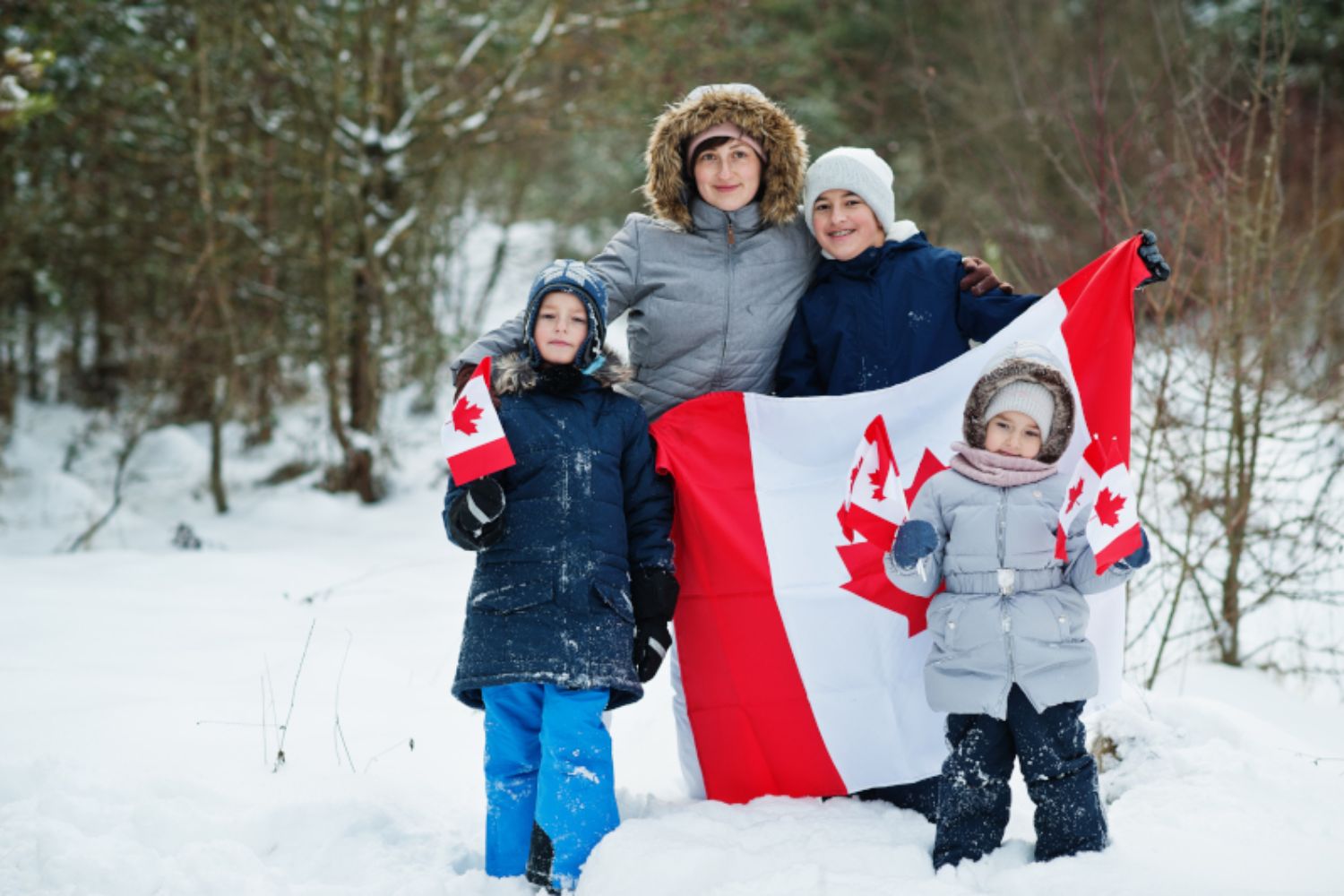
Canada offers two sponsorship pathways depending on whether your partner is inside or outside the country. These options are designed to accommodate different living situations and ensure that couples can choose the most suitable sponsorship route based on their circumstances. Whether your spouse or common-law partner is already residing in Canada or living abroad, each pathway has its own eligibility requirements, processing considerations, and benefits. Understanding the difference between inland and outside sponsorship helps ensure a smoother application process and increases the chances of a successful outcome.
Reuniting with your partner in Canada doesn’t have to be complicated. Our experienced immigration professionals guide you through every step of the spouse and common-law sponsorship process, ensuring accuracy, compliance, and peace of mind from start to finish.
Get clear guidance and start your Canada journey today.
Call Now Chat on WhatsAppGet consultation · No commitment